For an adult birthday at home, you can do an escape room in three ways: hire a company that brings the game and a game master to your place, buy a kit or a boxed game, or play an online escape game on the big screen with a phone for each guest. Whichever you pick, plan on 1 to 2 hours of play, teams of 4 to 6 people at most, and a schedule that leaves room for drinks, dinner and cake. Here's how to choose and how to plan the night.
Which kind of birthday escape room at home?
A hired game master. A company brings the set, the locks and the puzzles, and a host runs the game. It's the easiest option for you and the most expensive one: you pay a flat fee for the group, usually plus travel, and you need a free room and an early booking. Ask for a quote with your head count.
A printable kit. You buy a scenario, print it and hide the pieces before the guests arrive. It's cheap, around $20, but whoever sets it up knows part of the answers, so they usually act as the game master instead of playing. If it's your own birthday, ask a friend to handle it.
A boxed game. An EXIT or Unlock! box is played around the coffee table with no setup. It's handy for a small group and less of a show for a party: everyone leans over the same cards, and past five or six people, some guests drift off.
An escape game on the big screen. The mystery plays on the computer connected to the TV, and each guest plays on their own phone. There's nothing to hide or print, and the host plays like everyone else. It's the option that feels most like a regular game night with friends.
To compare what each format costs, venues included, read our article on how much an escape room costs.
How many guests for a birthday escape room?
A team works well with 3 to 5 people. With fewer, the game is still fun but takes longer. With more, some guests end up watching the others search, and the energy drops.
With 8 to 12 guests, make two or three teams. Depending on the format:
- With a hired host, ask for a package with two teams at once: some companies split the group across two rooms.
- With a kit or a box, you need one copy per team if they play at the same time.
- With an online escape game, teams play one after the other and compare times at the end. The team waiting its turn stays out of the room so it doesn't see the answers.
That last point matters more than it seems: a team that watched the other one play has nothing left to figure out. Use the wait for drinks in the kitchen or out on the balcony.
An evening plan for a birthday escape room
An example for eight adults, two teams, on a Saturday night:
- 7:30 pm: arrivals and drinks. Wait for latecomers and form the teams. The birthday guest picks a team, or you draw names.
- 8:00 pm: the first team plays. The other team helps with dinner or stays at the bar, away from the screen.
- 9:30 pm: dinner. Everyone at the table. The first team keeps quiet about the puzzles, however tempting it is.
- 10:15 pm: the second team plays. The first players move on to dessert or coffee in another room.
- 11:45 pm: results and cake. Announce the times, relive the best moments, blow out the candles.
These times are generous: a game can last up to 2 hours, and a team that finishes fast gives you more time for dessert.
With a single team of four or five, it's simpler: drinks, game, dinner, cake. Play before the meal rather than after: puzzles go down better at 8 pm than at midnight after two hours at the table.
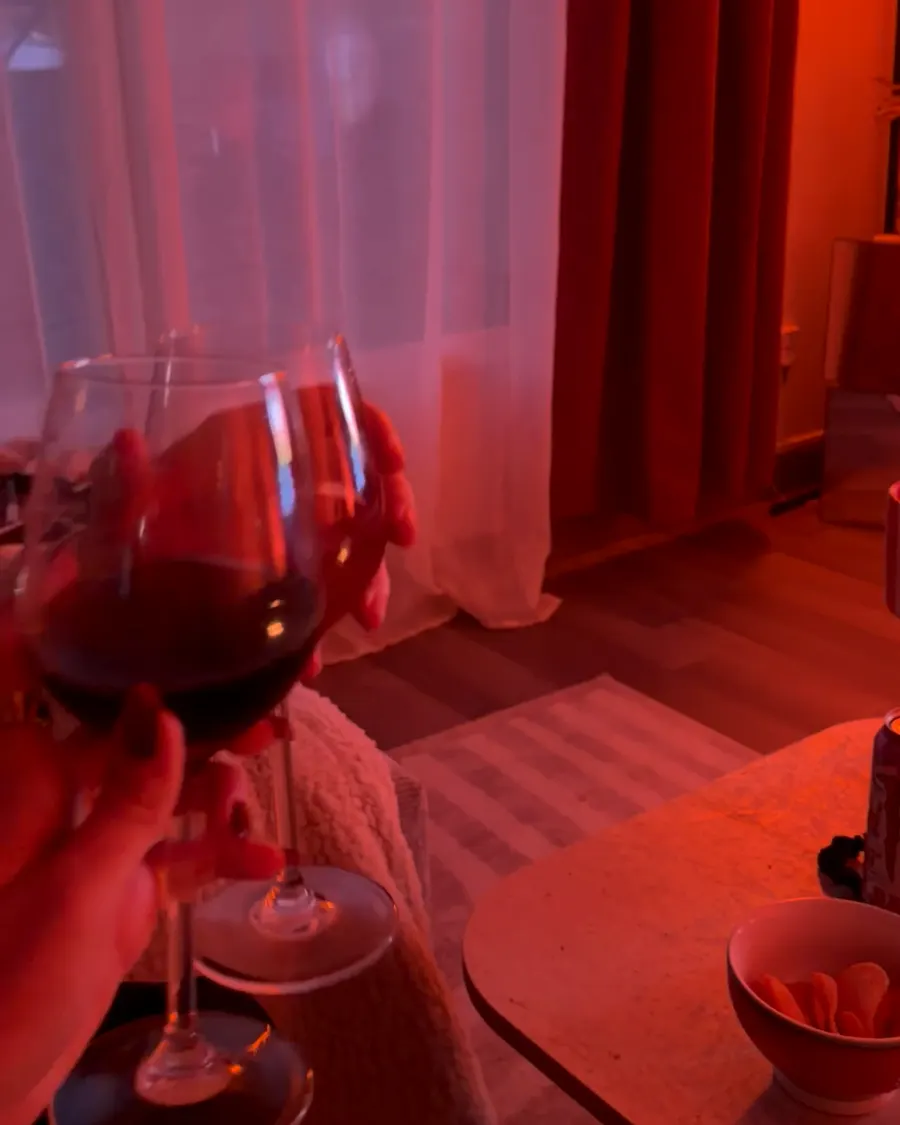
Setting up the living room
- The screen: for an online escape game, connect the computer to the TV with an HDMI cable the day before, and open the game once to check the picture and the sound. Our guide on how to play on your TV with your phone covers the connections.
- The seats: every player should see the screen from where they sit. Pull the couch closer, add chairs or floor cushions.
- The lights: dim them for the mood, but keep enough light to read a sheet of notes.
- The phones: charged, with the Wi-Fi password written down somewhere for the guests.
- Something to write on: a notebook and two pens per team. Even in a game on screen, people jot down codes.
Make the escape room the thread of the party
The escape room becomes the highlight of the night if you announce it. Put it in the invitation ("a mystery to solve, arrive at 7:30"), without giving away the theme. Give each team a name. Have a small prize for the fastest team, a bottle or the right to cut the cake.
If a guest doesn't like puzzles, give them a side role: they keep time, read the clues out loud or hold the notebook. They're part of the team without having to crack the codes.
A word on drinks: a glass during the game won't bother anyone, but a team that went big at happy hour will go in circles on the first puzzle. One more reason to play before dinner.
If some guests can't make it
A friend on the other side of the country can play with you when the escape game is online: they follow the same game from home, with their own screen and phone, on a video call. The gear and settings are in our guide to playing an escape room remotely with friends.
Escape & Chill (we make it)
We make Escape & Chill, an escape game played on the big screen (a computer connected to the TV). Each guest joins with their phone, searches the room with their flashlight and gets clues the others don't have. The first game, After Hours at the Museum, is for 1 to 4 players per game, takes 1.5 to 2 hours, is recommended for ages 12 and up, has three difficulty levels and can be paused.
With more than four guests, teams play one after the other, and the leaderboard keeps each team's time. The first room is free, with no account and no credit card, so you can try it before the party. After that, the host buys the game once, €9.99 (launch price until October 31, then €12.99), and the guests play for free.
For more ideas, see our birthday party page, the guide to a teen birthday party at home if the party is for someone younger, and our game night ideas for adults.